Breaking the Stigma: Myths and Facts About PTSD
Nov 02, 2026
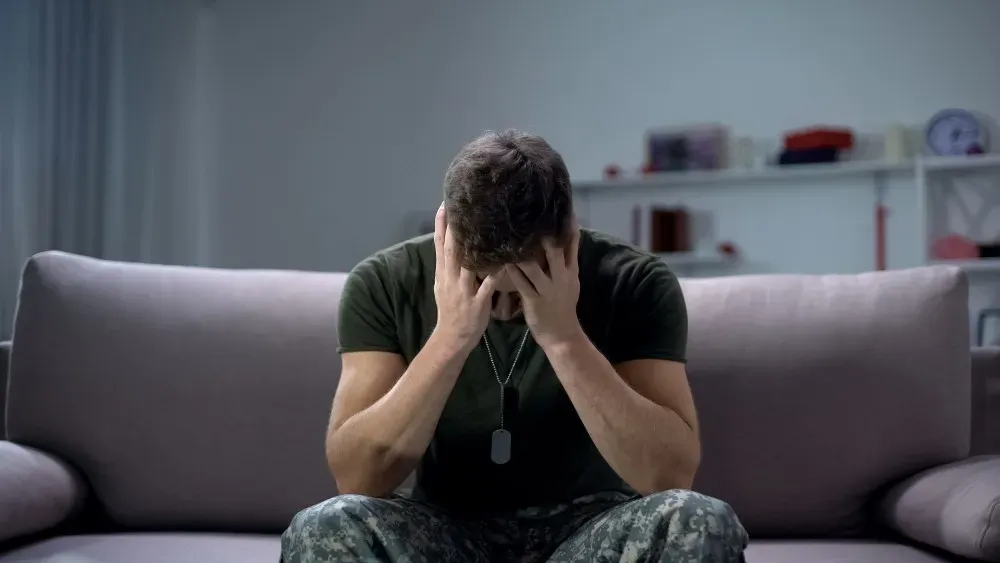
When people think about post-traumatic stress disorder (PTSD), they often picture a military member who survived a horror during war. Or they might treat it flippantly, saying things like, “Oh, I have PTSD from that [insert slightly negative experience].”
In reality, PTSD is both broader and deeper than common knowledge typically captures. More people live with post-traumatic stress disorder than many folks imagine. And the symptoms extend far beyond the shaky soldier.
Here at Monumental Health Partners, Balkys Bivins, PhD, David Rosenthal, MD, and our team want to deconstruct some of the stigma and misconceptions around PTSD. With that in mind, we’re taking aim at three common myths about this diagnosable, treatable mental health condition.
PTSD historically gained a lot of public attention through soldiers suffering from what we then called “shell shock.” The condition was finally added to the Diagnostic and Statistical Manual of Mental Disorders (DSM) in 1980, tied to the impact traumatic experiences had on Vietnam veterans.
Interestingly, though, soldiers weren’t the only group used to shape the initial PTSD diagnosis. The American Psychological Association (APA) also evaluated other people, including Holocaust survivors and people who had experienced sexual trauma.
In other words, you don’t need to go to an active war zone to get PTSD. Experiencing a traumatic event can be enough to trigger this disorder. That event could be witnessing something horrible, something bad happening to you personally, or anything else that compromises your sense of personal safety. A car accident, a natural disaster, or even childhood neglect can contribute to the development of PTSD.
Some people develop post-traumatic stress disorder shortly after the traumatic event. But it can take months or even years for symptoms to develop.
Be on the lookout for symptoms that fall into the four broad categories of PTSD signs: intrusive thoughts/memories, avoidance, negative changes in your mood and thinking, and increased intensity in your physical and emotional reactions.
When someone gets the flu, you probably don’t think it’s their fault or that it makes them weak. We don’t have control over how our bodies respond to pathogens. If we did, very few of us would choose to be physically ill.
Mental health is the same as physical health. It’s not your fault if you develop PTSD. It doesn’t make you broken or weak. It’s a normal reaction to a traumatic event.
Let’s go back to our flu example. With the flu, getting care, such as ample rest and hydration, helps your body manage and recover from the illness. PTSD isn’t so different. Getting care can help you lessen your symptoms and move toward a healthier life.
If you think you might have PTSD or you want support managing your response to a traumatic event, schedule a psychiatric evaluation with our team. Contact the office nearest you to book an appointment today.